
Why does Yunnan grow such good coffee?
Altitude, day-night temperature swing, varieties and a new generation of producers: what makes specialty coffee from Yunnan, China, so distinctive.
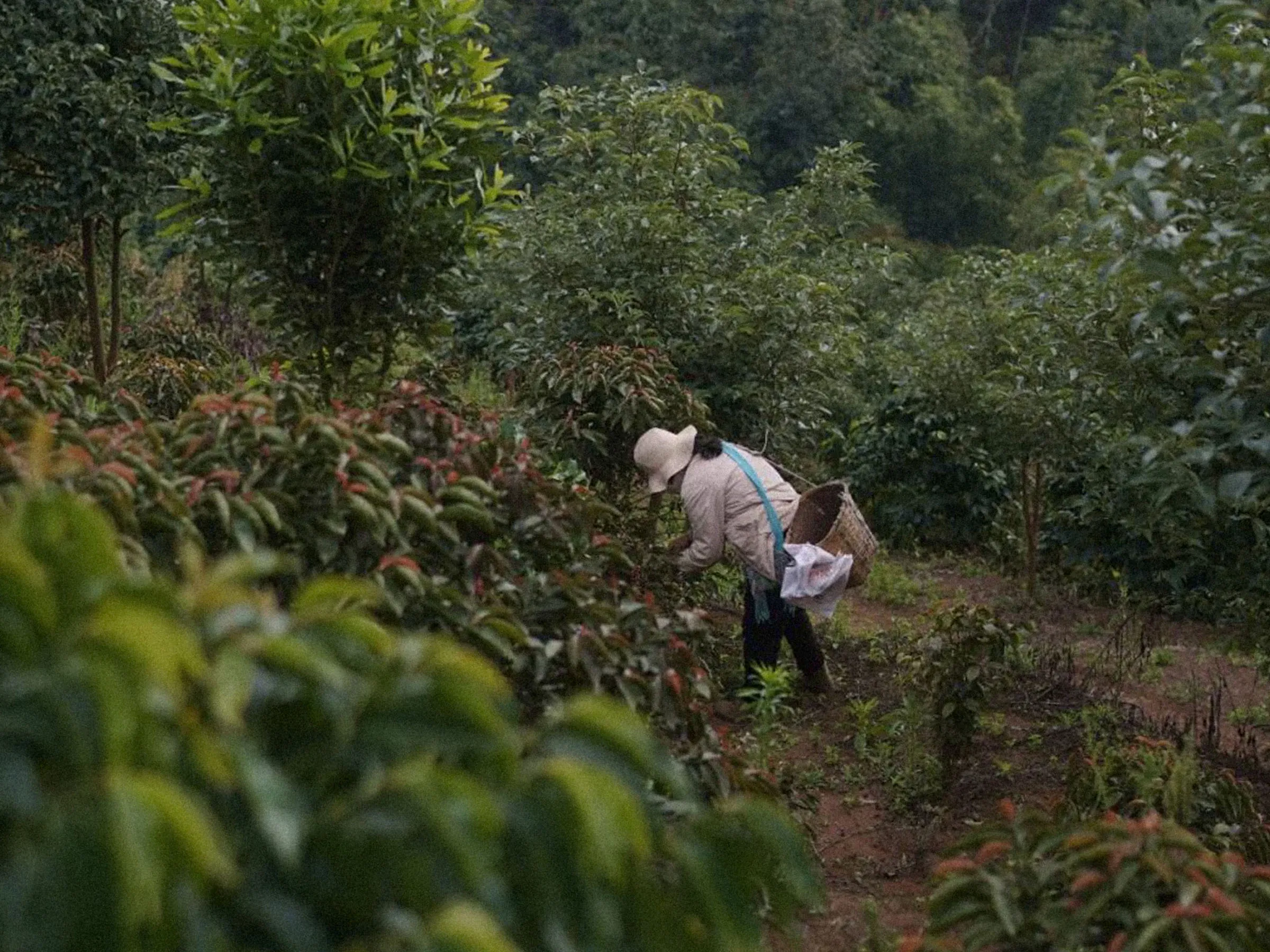
Yunnan now grows more than 95% of Chinese coffee, and China has entered the world top 15. Yet the province is still almost absent from European specialty menus. Here is why that is changing — and why it deserves your attention.
A geography made for coffee
Yunnan is crossed by the foothills of the Himalayas. The valleys are deep, the slopes face south, and plots sit between 1,100 and 1,900 metres. Above all, the temperature swing between day and night often reaches 15 °C in the dry season: ripening slows, sugars concentrate, bean density rises.
These are the conditions found in western Ethiopia or in Mexican Chiapas. They are not enough on their own to make a great coffee, but without them nothing is possible.
The weight of history: Catimor
Coffee was planted at scale in Yunnan in the 1990s, supported by development programmes and one large industrial buyer. The variety chosen was Catimor: rust-resistant, highly productive, and widely considered poor in the cup.
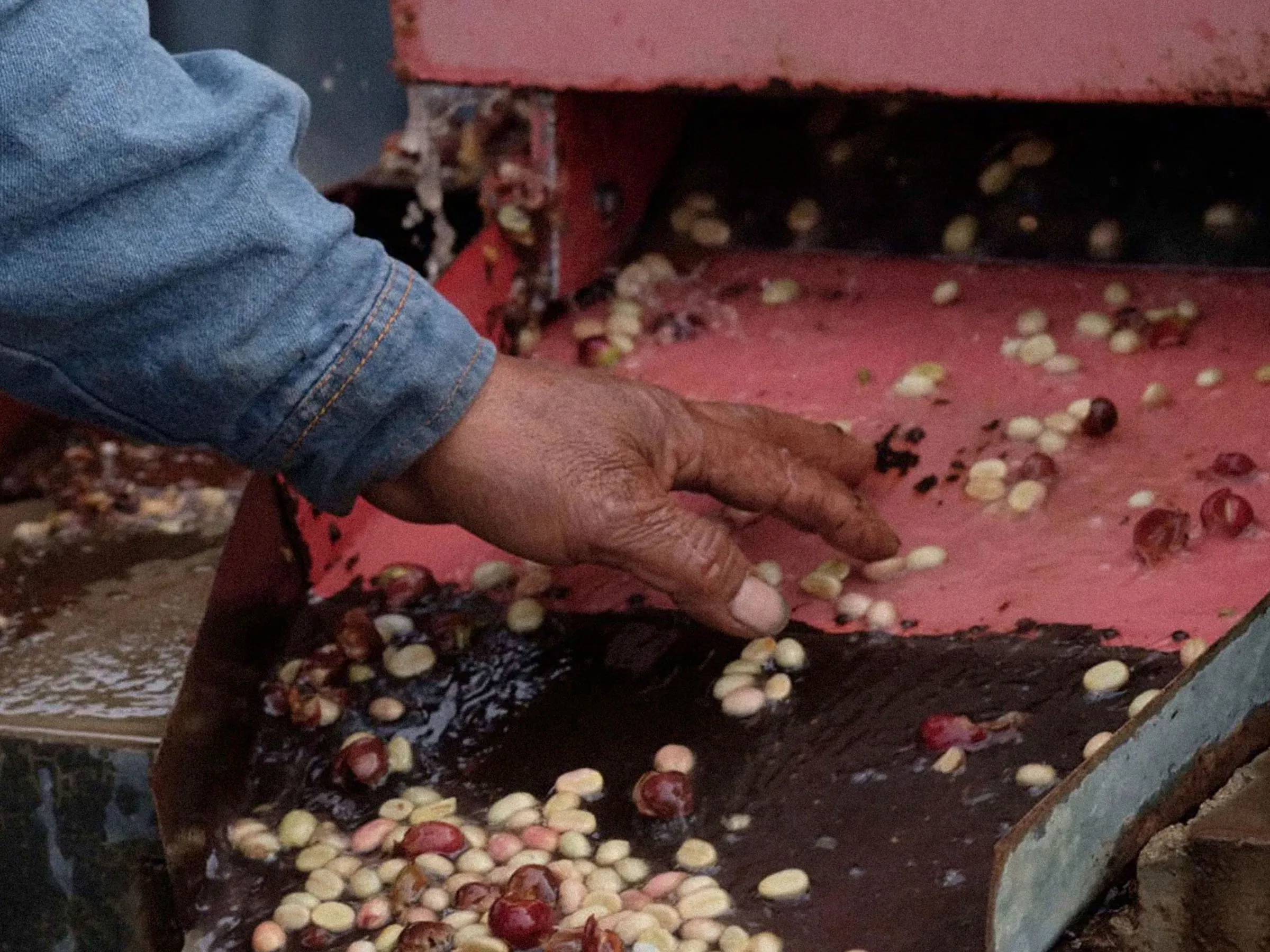
That reputation deserves nuance. A Catimor grown at altitude, picked at full ripeness and processed cleanly gives a round, chocolatey cup with a soft stone-fruit acidity. The problem was never the variety: it was mechanical harvesting, loose sorting and drying on tarpaulins laid on the ground.
What changed in ten years
Three things, essentially:
- Drying. Raised African beds became the norm. Air circulates under the coffee, moisture drops steadily, moulds disappear.
- Selective picking. Paying more for ripe cherry than for green cherry was enough to change practices within three seasons.
- Local cupping. There are now tasting labs in Pu’er and Baoshan. Producers taste their coffee, and adjust.
Added to this is the arrival of finer varieties — Typica, Bourbon, a little Geisha — planted on the best plots.
What does a Yunnan coffee taste like?
On our lots: a moderate acidity, never aggressive, a round texture, and an aromatic range that runs from black tea and apricot (washed) to white peach and honey (honey process), through to strawberry and cocoa on the naturals.
It is a coffee that pleases immediately, including people who find specialty coffee “too acidic”. It also holds up very well in milk, which makes it an interesting base for cafés and restaurants.
What we look for
We are not chasing one spectacular lot for a season. We are chasing consistency: a coffee you can drink every morning, whose quality does not depend on luck, and whose producer we know by name.
